Definitive Guide to Effective Pest Control: Strategies, Solutions, and Eco-Friendly Alternatives
The challenge of pest control frequently presents significant concerns for homeowners. Pinpointing the specific pests entering a space is crucial for effective management. By employing preventive measures and eco-friendly solutions, individuals can establish a sustainable environment. However, not all methods are equally effective. Comprehending the nuances of pest control can greatly impact success. What strategies should be focused on for lasting results?
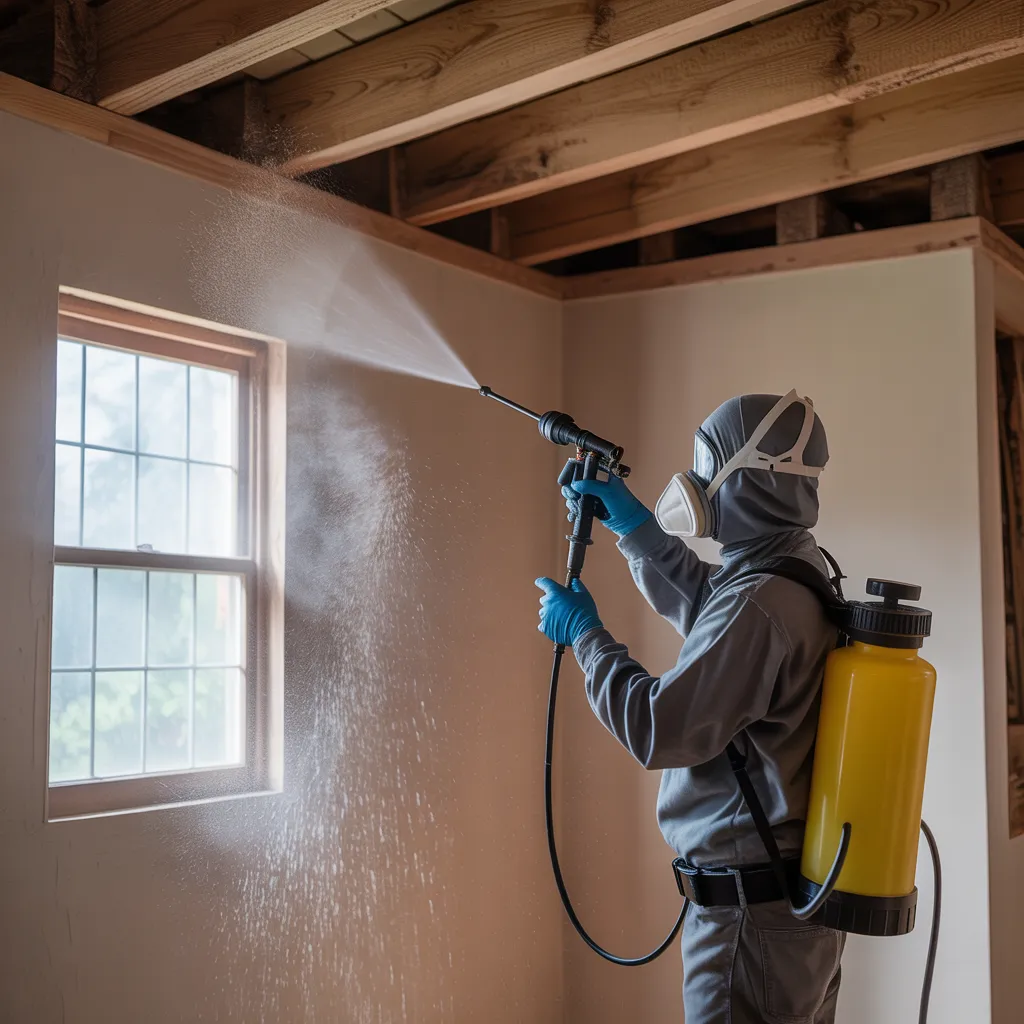
Spot the Invasive Pests Plaguing Your Living Space
What methods can property owners use to effectively detect pests entering their home? To start, they must watch for abnormal signs, like feces, bite marks, or nests, which could reveal distinct pest behavior. For example, compact, dark waste may suggest mice activity, while substantial, irregular feces might indicate rats are present. In addition, homeowners must be alert to noises like clawing or scampering, specifically at night.
Next, examining the areas where these signs are discovered can aid in determine the type of pest. Examining food storage locations, attics, and basements is vital, as these locations often shelter unwanted guests. Homeowners should also look for physical evidence, such as discarded skins, webs, or bite marks on furniture.
In conclusion, utilizing online resources or pest identification guides can offer valuable insights, allowing homeowners to match their findings with known pest characteristics and behaviors. This knowledge is vital for effective pest management.
Essential Prevention Approaches for a Pest-Protected Home
Several preventative actions can greatly minimize the likelihood of pests invading a home. Consistently closing gaps and cracks in walls, windows, and doors can remove entry points for insects and rodents. Homeowners should also ensure that screens on windows and vents are in good condition, as these can serve as additional barriers.
Upholding a sanitary environment is crucial; food should be kept in airtight containers, while spills and crumbs must be promptly cleaned. Furthermore, proper waste management through frequent disposal and secure trash bins can deter pests.
Landscaping is also important; maintaining vegetation trimmed and away from the home can prevent pests from easily accessing the structure. Finally, ensuring that gutters are clear and downspouts direct water away from the foundation can decrease moisture, a common draw for various pests. By applying these strategies, homeowners can establish an unwelcoming environment for pests, encouraging a pest-free living space.
Environmentally Friendly Approaches for Successful Pest Control
As homeowners seek sustainable methods for managing pests, environmentally safe options have grown in demand. Natural pest deterrents, essential oils as repellents, and the implementation of natural predator insects offer viable options to synthetic solutions. These approaches not only secure dwelling spaces but also support environmental health.
Organic Pest Repellents
Organic pest deterrents deliver an effective and environmentally friendly method to managing pest problems. These approaches employ ingredients derived from nature, which are generally safer for the environment and human health. Common natural deterrents include diatomaceous earth, which damages the exoskeleton of insects, and neem oil, known for its insect-repelling properties. Additionally, plants like marigolds and lavender can be thoughtfully arranged in gardens to naturally repel pests. Garlic and chili pepper sprays also work as potent repellents. By incorporating these alternatives, people can minimize reliance on chemical pesticides, promoting a more sustainable approach to pest management. Emphasizing natural pest deterrents not only secures one's living space but also benefits local ecosystems.
Essential Oils as Natural Repellents
Essential oils have emerged as powerful allies in the quest for eco-friendly pest control solutions. These powerful plant concentrates feature natural pest-repelling characteristics, rendering them successful against numerous pest species, such as mosquitoes, ants, and spiders. Widely available essential oils such as peppermint, lavender, and eucalyptus can be effortlessly mixed into household sprays or diffusers. When blended with a copyright oil or water, these oils serve the dual purpose of deterring pests and providing appealing fragrances to residential areas. Additionally, essential oils are naturally decomposable and harmless, establishing them as safe options compared to chemical pesticides. By implementing essential oils, homeowners can develop a pest-free setting while decreasing their ecological influence and encouraging a healthier living space.
Utilization of Beneficial Insects
Using beneficial insects represents a very effective and sustainable approach to pest control. These natural predators, such as ladybugs, lacewings, and parasitic wasps, play a major role to regulating pest populations without negatively affecting the environment. By incorporating these insects into gardens or agricultural settings, one can decrease the dependency on chemical pesticides. For instance, ladybugs feed on aphids, while parasitic wasps target caterpillars and other destructive pests. Additionally, creating a habitat that supports beneficial insects, such as planting diverse flowering plants, improves their presence and effectiveness. This method not only encourages a balanced ecosystem but also leads to healthier crops and gardens. Adopting beneficial insects ultimately fosters sustainable practices and decreases the ecological footprint linked to traditional pest control methods.
Secure Identification and Control of Pest Infestations
How does one properly detect and control pest infestations whilst guaranteeing safety? Initially, you should look for evidence of pest activity, such as droppings, gnawed areas, or nests. Implementing chemical-free solutions, for instance sticky traps, can help reveal the presence of pests without adding harmful chemicals. Consistent monitoring aids in early detection, which is vital for proper handling.
When found, the next step includes implementing eco-friendly solutions. Sealing entry points, upholding cleanliness, and regulating moisture levels can deter pests from entering. When required, one should contemplate using organic repellents, such as diatomaceous earth or essential oils, to handle the problem without compromising safety.
In serious instances, professional assistance may be necessary. Choosing a pest control service that emphasizes eco-friendly practices guarantees that the methods used are safe for both humans and the environment. Finally, a proactive and informed approach is critical to controlling pest infestations efficiently.
Benefits and Drawbacks of DIY Pest Control Approaches
What benefits and drawbacks come with DIY pest management approaches? Self-managed pest control delivers multiple advantages, like reduced expenses and practicality. Property owners can frequently apply treatments with easily accessible supplies, eliminating the expense of professional services. Furthermore, individuals gain a sense of accomplishment by addressing pest issues without assistance. However, there are significant drawbacks to evaluate. Home remedies might not work as well against major infestations, resulting in prolonged pest difficulties. Additionally, without proper knowledge, residents might utilizing incorrect or harmful substances that could damage family members, animals, or ecosystems. Wrongly diagnosing pests can also lead to unsuccessful treatments, worsening the situation even more. In conclusion, DIY efforts may take considerable time and effort, potentially dissuading homeowners from seeking professional assistance when necessary. Evaluating these benefits and drawbacks is vital for homeowners contemplating DIY pest control approaches.
When Should You Call in the Pest Control Experts?
Recognizing the signs of an infestation is essential for successful pest elimination. When do-it-yourself methods prove inadequate, it may be time to think about professional assistance. Professional pest control can tackle ongoing problems that homeowners struggle to fix on their own.
Signs of Infestation
When is it time to seek professional help for a pest problem? Understanding the warning signs of pest activity is vital in deciding whether professional help is necessary. Frequent evidence includes fecal matter, bite marks, or nests located in different parts of the property. Unclear damage to belongings, such as bitten wires or wall cavities, may point to a pest problem. In addition, abnormal smells or sounds, such as scraping or rushing noises, may reveal active pest presence in the space. If these signs become apparent and are beyond the homeowner's control, it is wise to consult pest control professionals. Prompt identification can stop additional harm and ensure a more successful solution to the pest problem.
Do-It-Yourself Methods Fall Short
A lot of homeowners may initially undertake various DIY methods to deal with pest issues, but these approaches can often prove ineffective. Common methods, such as using retail sprays or homemade traps, may give temporary relief but are unable to eradicate the root cause of the infestation. Pests like termites, rodents, and bedbugs often necessitate specialized treatment that DIY methods cannot deliver. Additionally, without sufficient knowledge, homeowners may unintentionally worsen the problem or create safety hazards. Signs of a serious infestation, such as continuous sightings or structural damage, should lead individuals to reflect on professional intervention. Pest control experts possess the needed training, tools, and products to effectively address infestations, guaranteeing a thorough and lasting solution. Recognizing the constraints of DIY solutions is vital for effective pest management.
Sustaining a Long-Term Pest-Free Setting
To preserve a long-term pest-free helpful information environment, one must adopt a proactive approach that comprises prevention, monitoring, and effective management strategies. Periodic inspections of the property can help discover potential infestations before they escalate. Homeowners should ensure that entry points, such as spaces in windows and doors, are sealed to discourage pests. Proper sanitation is crucial; food should be stored securely, and waste should be discarded immediately to minimize attractants.
Additionally, implementing green pest control methods can increase effectiveness while preserving the environment. Applying natural repellents and encouraging beneficial insects can establish a balanced ecosystem. Implementing traps for monitoring pest populations is suggested, allowing for timely interventions.
Teaching members of the household about pest prevention measures further enhances the overall strategy. By systematically applying these techniques, people can establish a enduring, pest-free environment that reduces dependency on invasive pest control measures.
Common Questions
How Can I Tell If I Have a Pest Infestation in My Home?
Standard signs of a pest infestation include excrement, gnaw marks, nests, and uncommon noises. Property owners may also detect damaged food packaging, unidentified stains, or the presence of active pests in their homes.
Do Certain Plants Repel Specific Pests Naturally?
Particular plants, like lavender and marigold, naturally and effectively repel insects such as mosquitoes and aphids. Additionally, peppermint and basil can repel ants and flies, delivering an eco-friendly solution to managing pest issues in gardens and homes.
How Do I Identify Beneficial Insects Versus Harmful Pests?
To tell apart beneficial insects and harmful pests, you can examine their behaviors, physical characteristics, and roles in the ecosystem. Beneficial insects typically pollinate plants or control pest populations, while harmful pests harm crops and plants.
What Household Items Can I Use for Homemade Pest Repellents?
Vinegar, essential oils, baking soda, and soap are common household items employed in homemade pest repellents. These ingredients can discourage various pests while staying eco-friendly, offering a natural substitute to chemical-based solutions.
What Is the Effect of Weather Conditions on Pest Activity?
Weather conditions substantially impact pest activity levels. Increased temperatures commonly raise pest populations, while substantial rain can establish breeding grounds. In contrast, cooler weather often decreases pest activity, causing lower populations and lessened interactions with humans.